الوضع الليلي


 6:0:44
  2019-04-06
  2056
2056

NASA on Friday announced that its Parker Solar Probe, the fastest spacecraft in history, has completed its second close approach to the Sun and is now entering the outbound phase of the second solar orbit.
At 6:40pm Eastern Time on Thursday (4:10am IST, Friday), the spacecraft passed within 15 million miles (24 million kilometres) of the Sun, tying its distance record set in October as the closest spacecraft ever to the star, according to NASA.
Parker Solar Probe was travelling at 343,112 kilometres per hour during this perihelion.
The spacecraft is operating well and all instruments are collecting science data, sending back normal signals through NASA's Deep Space Network.
"We're looking forward to getting the science data down from this encounter in the coming weeks so the science teams can continue to explore the mysteries of the corona and the Sun," said Nickalaus Pinkine, Parker Solar Probe mission operations manager.
Parker Solar Probe began this solar encounter on March 30, and it will conclude on April 10.
Reality Of Islam |
|

Keeping sil
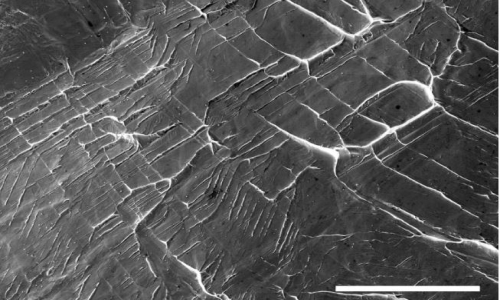
Two experim
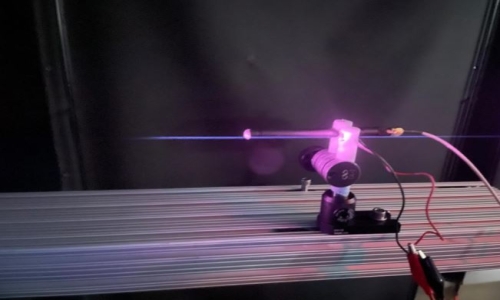
Changing a

Plants are
 9:3:43
2018-11-05
9:3:43
2018-11-05
10 benefits of Marriage in Islam
7:5:22
2019-04-08
benefits of reciting surat yunus, hud &
9:45:7
2018-12-24
advantages & disadvantages of divorce
11:35:12
2018-06-10
6:0:51
2018-10-16
9:50:37
2023-02-28
8:30:23
2022-03-03
a hero waters thirsty wild animals
9:4:9
2022-01-06
11:2:27
2022-10-06
10:47:11
2022-11-22
7:34:7
2023-02-28
5:58:12
2021-12-18
5:41:46
2023-03-18
| LATEST |
 HOME
HOME