الوضع الليلي


 12:39:5
 2022-12-20
 2159
The Forager bee is possibly the most recognisable bee in the colony.
Once she’s a mature adult, around 21 days old, her duties shift to tasks outside the hive, mainly collecting pollen, nectar, water and resin. She works in response to the needs of the colony with incredible communication and navigation skills.
She can visit up to 5 thousand flowers in a single day, yet in her lifetime, will only create 1/12 of a teaspoon of honey! She can fly at an average speed of 24 km per hour, travel up to 10 kms from her hive in search of forage and is capable of carrying large loads of nectar and pollen equalling her own body weight! How efficient is that.
Reality Of Islam |
|

Keeping sil

Two experim

Changing a
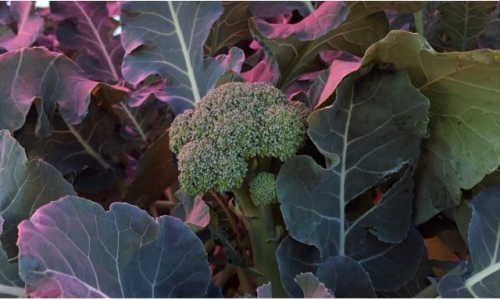
Plants are
 9:3:43
2018-11-05
10 benefits of Marriage in Islam
7:5:22
2019-04-08
benefits of reciting surat yunus, hud &
9:45:7
2018-12-24
advantages & disadvantages of divorce
11:35:12
2018-06-10
6:0:51
2018-10-16
2:13:43
2022-05-27
7:45:39
2018-06-21
4:25:57
2023-02-11
5:57:34
2023-03-18
bahlool & the throne of haroun rashid
8:20:35
2018-06-21
10:55:53
2022-06-13
8:25:12
2022-03-09
5:41:46
2023-03-18
| LATEST |
 HOME