الوضع الليلي


 3:5:40
 2025-01-05
 1701

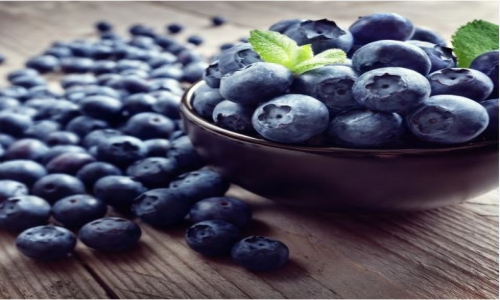
Boosting the amount of fruits and vegetables in your diet could reduce your risk of depression over time, according to a comprehensive new study of twins that included participants across the US, Australia, Denmark, and Sweden.
Twin studies are particularly useful for scientists because twins are so similar genetically. Any differences in health – like symptoms of depression, in this case – are therefore more likely to be down to variables such as diet, exercise, and living conditions.
Led by researchers from the University of New South Wales (UNSW) in Australia, the study analyzed survey data on diet and mood from 3,483 individuals. All the participants were aged 45 and above, with follow-up periods of up to 11 years.
"Twin pairs share 50-100 percent of their genetic background and when raised together share the same family environment," says geneticist Karen Mather, from UNSW.
"One of the advantages of the twin design is that it can help address the issue of unwanted factors, such as socioeconomic status early in life, influencing the results."
The team found a "modest" difference in depressive symptoms between those classed as having a high fruit and vegetable intake (averaging 2.1 and 2.0 average daily servings respectively), and those with a low fruit and vegetable intake (0.3 and 0.5 average daily servings respectively).
When moderate vegetable and fruit intakes were compared to low intakes, the difference in depression was less pronounced for vegetable consumption, and nonexistent with fruit intake.
It's also worth noting most study participants were still eating below the generally recommended level of vegetables and fruits: at least five portions in total per day.
"We found that fruit and vegetable consumption in the two large Scandinavian studies were particularly low, with the average for both being less than half the World Health Organization recommended intake of at least five serves per day," says lead author of the study, nutrition scientist Annabel Matison from UNSW.
"We are unclear what the reduction in depression scores would be if intakes were increased to recommended levels."
Although the data isn't detailed enough to prove cause and effect – physical activity, for example, wasn't included in the analysis – the relatively large sample size and the use of twins counts in the study's favor, suggesting there is a connection here.
"This study's finding of a protective association between higher fruit and vegetable intake and depressive symptoms is consistent with most prior evidence," the team writes in their published paper.
We know fruits and veggies are good for many different aspects of our health. Previous studies have already highlighted links between diet and depression, and between depression and gut health (which can benefit from less ultra-processed foods).
The age of the study participants is important as well: depressive disorders tend to peak in adults between the ages of 55 and 75, and this research suggests eating more fruit and vegetables is potentially a simple way of tackling that.
"The findings present another argument for increasing fruit and vegetable intake in adults over 45 years of age," says Matison.
Reality Of Islam |
|

Keeping sil
Two experim

Changing a
Plants are
 9:3:43
2018-11-05
10 benefits of Marriage in Islam
7:5:22
2019-04-08
benefits of reciting surat yunus, hud &
9:45:7
2018-12-24
advantages & disadvantages of divorce
11:35:12
2018-06-10
6:0:51
2018-10-16
9:42:16
2022-10-19
10:35:40
2022-05-26
6:28:21
2022-12-20
2:33:4
2023-02-15
6:14:17
2018-06-21
allah will not answer all your prayers
6:56:28
2022-01-01
2:13:43
2022-05-27
5:41:46
2023-03-18
| LATEST |
 HOME