الوضع الليلي


 11:40:5
  2025-01-16
  1740
1740
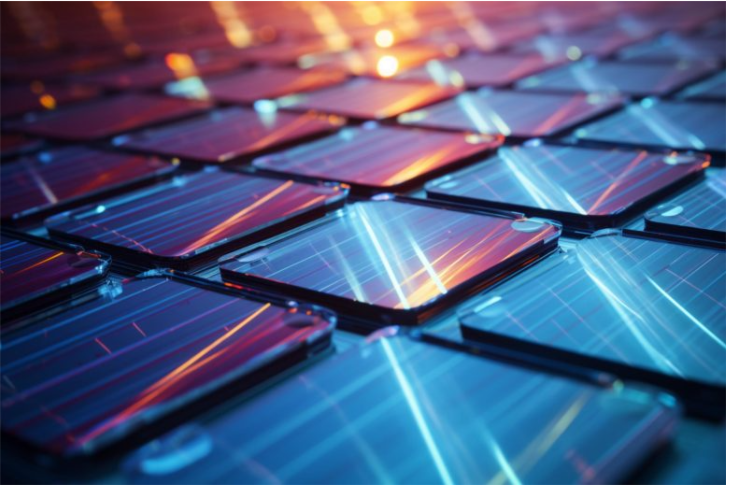
Researchers enhanced organic solar cell efficiency and stability by eliminating a loss mechanism using a SiOxNy passivation layer, achieving record-breaking performance and longevity.
Researchers at Åbo Akademi University in Finland have discovered and eliminated a previously unknown loss mechanism in organic solar cells, significantly improving their efficiency and extending their lifespan. This breakthrough offers valuable insights into enhancing the future performance and stability of organic solar technology.
The study was conducted by the Organic Electronics Research Group at Åbo Akademi University in collaboration with Professor Chang-Qi Ma’s team at the Suzhou Institute for Nano-Tech and Nano-Bionics. Key contributors from Åbo Akademi University include Ronald Österbacka, Sebastian Wilken, and Oskar Sandberg.
Record-Breaking Efficiency and Longevity
The study demonstrated an outstanding efficiency of over 18% in structure-inverted solar cells with a 1cm2 area. It also achieved the highest reported lifespan of organic solar cells to date, reaching 24,700 hours under white light illumination, which corresponds to a predicted operational life of more than 16 years.
Organic photovoltaics are interesting in terms of commercialisation because they are light, flexible and have an energy-efficient manufacturing process. The power conversion efficiency has increased dramatically over the last five years, with the best organic solar cells, which are based on a so-called conventional structure, reaching over 20% in the lab.
However, the employed materials are susceptible to degradation when exposed to sunlight and air, and the long-term stability of these cells still requires improvements to make them widely available.
Enhancing Stability Through Inverted Structures
In terms of lifetime, it is beneficial that the topmost contact layer of the solar cell is made from the most durable material. These structure-inverted, or n-i-p solar cells, are a more stable option, although their power conversion efficiency still lags behind that of conventional designs. The researchers’ discovery shows a promising way to improve both the performance and stability of these structurally inverted organic solar cells.
The work identified a previously unknown loss mechanism in organic solar cells and a way to overcome it. The bottom contact of these devices, made from metal oxides such as zinc oxide, creates a narrow recombination area leading to a loss of photocurrent. By applying a thin, solvent-processed silicon oxide nitrate (SiOxNy) passivation layer on the bottom contact, the recombination area is eliminated, resulting in improved efficiency. The work underlines the potential for using the method in the large-scale production of efficient and stable organic solar cells.
Reality Of Islam |
|
MIT researc
Researchers
Researchers
New phononi
 9:3:43
2018-11-05
9:3:43
2018-11-05
10 benefits of Marriage in Islam
7:5:22
2019-04-08
benefits of reciting surat yunus, hud &
9:45:7
2018-12-24
advantages & disadvantages of divorce
11:35:12
2018-06-10
6:0:51
2018-10-16
7:0:55
2022-05-17
2:5:14
2023-01-28
7:6:7
2022-03-21
2:2:13
2022-10-08
6:28:21
2022-12-20
4:26:43
2022-02-21
1:34:8
2022-02-01
5:41:46
2023-03-18
| LATEST |
 HOME
HOME