الوضع الليلي


 2:38:1
  2025-12-27
  2150
2150
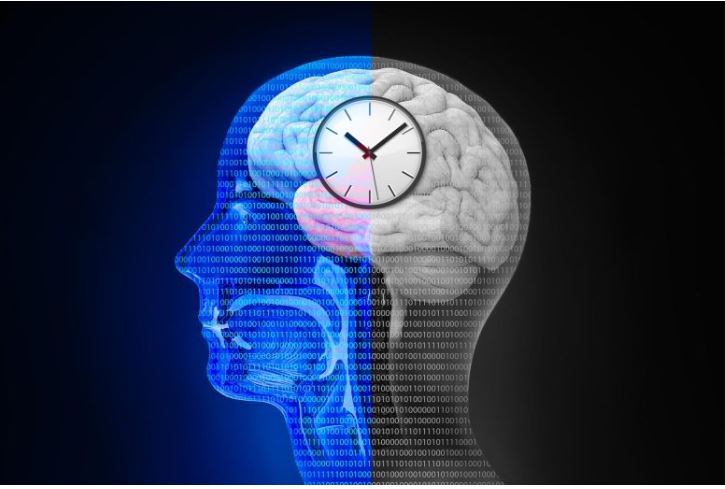
Intermittent energy restriction for weight loss leads to coordinated changes across the brain, gut, and microbiome axis.
Obesity now affects more than one billion people worldwide, and it is linked to higher risks of cardiovascular disease, diabetes, and some cancers. Yet keeping weight off is notoriously difficult because the body’s internal systems, including gut physiology, hormones, and the brain, can work together to resist long-term change.
One popular approach, called intermittent energy restriction (IER), alternates days of relative fasting with days of eating as usual.
“Here we show that an IER diet changes the human brain-gut-microbiome axis. The observed changes in the gut microbiome and in the activity in addition-related brain regions during and after weight loss are highly dynamic and coupled over time,” said last author Dr. Qiang Zeng, a researcher at the Health Management Institute of the PLA General Hospital in Beijing.
The fast track to weight loss
To examine what shifts during IER, the researchers analyzed stool samples using metagenomics, took blood measurements, and used functional magnetic resonance imaging (fMRI). They tracked changes in gut microbiome composition, physiological markers, serum composition, and brain activity in 25 obese Chinese women and men following an IER plan. Participants were about 27 years old on average, with a BMI ranging from 28 to 45.
“A healthy, balanced gut microbiome is critical for energy homeostasis and maintaining normal weight. In contrast, an abnormal gut microbiome can change our eating behavior by affecting certain brain area involved in addiction,” explained coauthor Dr. Yongli Li from the Department of Health Management of Henan Provincial People’s Hospital in Henan, China.
The program began with a 32-day ‘high-controlled fasting phase’. During this period, a dietician designed personalized meals, and calorie intake was reduced in steps until it reached one-quarter of each participant’s basic energy needs. This was followed by a 30-day ‘low-controlled fasting phase’, when participants received a list of recommended foods. If followed perfectly, the plan would amount to 500 calories per day for women and 600 calories per day for men.
Synchronous changes in brain activity and gut microbiome
By the end of the study, participants had lost an average of 7.6kg (16.8 pounds), equal to a 7.8% drop in body weight. They also showed expected decreases in body fat and waist circumference.
In addition, blood pressure fell, as did serum levels of fasting plasma glucose, total cholesterol, HDL and LDL, along with the activity of key liver enzymes. Together, these shifts suggest that IER may help ease obesity-related comorbidities such as hypertension, hyperlipidemia, and liver dysfunction.
The authors observed decreases after IER in the activity of brain regions implicated in the regulation of appetite and addiction. Within the gut microbiome, the abundance of the bacteria Faecalibacterium prausnitzii, Parabacteroides distasonis, and Bacterokles uniformis increased sharply, while that of Escherichia coli fell.
Further analyses showed that the abundance of E. coli, Coprococcus comes, and Eubacterium hallii bacteria were negatively associated with the activity of the brain’s left orbital inferior frontal gyrus – known to play a key role in executive function, including our will to lose weight. In contrast, the abundance of the bacteria P. distasonis and Flavonifractor plautii were positively correlated with the activity brain regions associated with attention, motor inhibition, emotion, and learning.
Weighing the evidence
These results suggest that changes in the brain and microbiome during and after weight loss are linked – either because they cause each other, or because an unknown other factor causes both. Because the study is correlational, it can’t resolve the direction of the underlying causality.
“The gut microbiome is thought to communicate with the brain in a complex, two-directional way. The microbiome produces neurotransmitters and neurotoxins, which access the brain through nerves and the blood circulation. In return, the brain controls eating behavior, while nutrients from our diet change the composition of the gut microbiome,” said coauthor Dr. Xiaoning Wang from the Institute of Geriatrics of the PLA General Hospital.
Coauthor Dr. Liming Wang, likewise from the Health Management Institute in Beijing, said: “The next question to be answered is the precise mechanism by which the gut microbiome and the brain communicate in obese people, including during weight loss. What specific gut microbiome and brain regions are critical for successful weight loss and maintaining a healthy weight?”
Reality Of Islam |
|

Keeping sil
Two experim

Changing a

Plants are
 9:3:43
2018-11-05
9:3:43
2018-11-05
10 benefits of Marriage in Islam
7:5:22
2019-04-08
benefits of reciting surat yunus, hud &
9:45:7
2018-12-24
advantages & disadvantages of divorce
11:35:12
2018-06-10
6:0:51
2018-10-16
10:35:40
2022-05-26
7:6:7
2022-03-21
7:26:19
2022-04-08
9:42:16
2022-10-19
7:45:39
2018-06-21
2:2:13
2022-10-08
11:34:48
2022-06-29
5:41:46
2023-03-18
| LATEST |
 HOME
HOME