الوضع الليلي


 10:43:22
  2025-12-31
  2257
2257
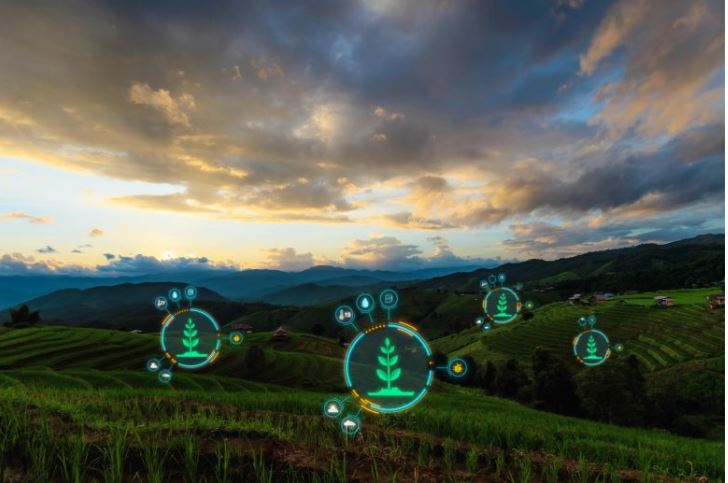
Food waste is often seen as little more than compost material, but new research shows it can offer much more. Scientists are discovering valuable uses for discarded food, ranging from dried beet pulp to coconut fibers broken down by millipedes. Four recently published studies in ACS journals describe how food waste can support more sustainable farming practices and provide new bioactive compounds for pharmaceutical use.
Turning Agricultural Waste Into Crop Protection
Researchers writing in ACS’ Journal of Agricultural and Food Chemistry report that sugar beet pulp could help lower agriculture’s dependence on synthetic pesticides. After sugar is extracted, this pulp remains and accounts for roughly 80% of the beet’s original weight. In laboratory tests, scientists converted the pectin-rich pulp into carbohydrates that stimulated plants’ own defense systems. These natural responses helped protect wheat from diseases such as powdery mildew.
Sustainable Alternatives for Seedling Growth
Coconut fibers processed by millipedes may offer a greener substitute for peat moss, which is commonly used to start seedlings but harvested from environmentally sensitive areas that help protect groundwater quality. A study published in ACS Omega evaluated this coconut “millicompost” as a peat alternative. When blended with other plant materials, the compost supported bell pepper seedling growth just as effectively as traditional peat-based growing media.
Overlooked Greens With Digestive Benefits
A review in ACS’ Journal of Agricultural and Food Chemistry suggests that radish tops, which are often thrown away, may be even more nutritious than the root itself. These peppery greens contain high levels of dietary fiber and bioactive compounds. In several laboratory and animal studies, components such as polysaccharides and antioxidants encouraged the growth of beneficial gut microbes, indicating they may also support overall digestive health in humans.
Preserving Bioactive Compounds for Industry
Research described in ACS Engineering Au outlines a way to stabilize beneficial compounds extracted from beet leaves so they can be used in cosmetics, pharmaceuticals and food products. Scientists aerosolized and dried a liquid mixture containing antioxidant-rich beet-green extract and an edible biopolymer. This process produced microparticles that encapsulated the extract. According to the researchers, these microparticles showed higher antioxidant activity than the extract alone, suggesting the coating helps protect the compounds from degradation.
Reality Of Islam |
|

Keeping sil
Two experim

Changing a
Plants are
 9:3:43
2018-11-05
9:3:43
2018-11-05
10 benefits of Marriage in Islam
7:5:22
2019-04-08
benefits of reciting surat yunus, hud &
9:45:7
2018-12-24
advantages & disadvantages of divorce
11:35:12
2018-06-10
6:0:51
2018-10-16
9:42:16
2022-10-19
6:28:21
2022-12-20
10:35:40
2022-05-26
10:55:53
2022-06-13
a hero waters thirsty wild animals
9:4:9
2022-01-06
10:43:56
2022-06-22
3:43:50
2022-11-05
5:41:46
2023-03-18
| LATEST |
 HOME
HOME