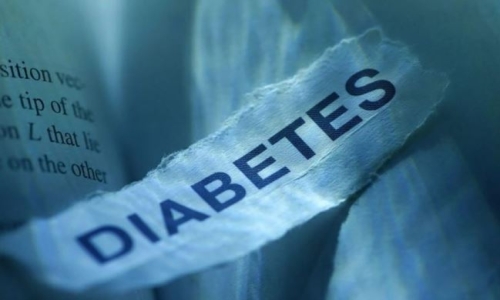
الوضع الليلي


 8:9:25
  2018-11-10
  2224
2224

An experimental "vaccine" for celiac disease is set to be tested in a new clinical trial to see if the treatment can protect patients with the condition from the effects of eating gluten — or, in other words, allow those patients to eat gluten safely.
The treatment, called Nexvax2 and made by the biotech company ImmusanT Inc., is a type of immunotherapy that aims to "reprogram" the immune system to be tolerant of gluten, the researchers said.
Celiac disease is a condition in which people's immune systems react abnormally to gluten — a protein found in wheat, rye and barley — and this reaction damages the lining of the small intestine. The condition affects about 1 out of every 100 people in the United States.
Currently, the only way to manage celiac disease is for patients to avoid foods containing gluten for the rest of their lives. But even with the rise in popularity of gluten-free foods, such diets can still be difficult to follow, and patients may be inadvertently exposed to the protein. "Even the most diligent patients can suffer the adverse effects of accidental exposure," study researcher Jason Tye-Din, head of celiac research at the Walter and Eliza Hall Institute of Medical Research in Melbourne, Australia, said in an Oct. 30 statement.
Nexvax2 works in a way that's similar to allergy shots. The treatment — which consists of twice-weekly injections administered over a 16-week period — is made up of molecules called peptides, which elicit an immune response in patients with celiac disease. In theory, exposure to the peptides over time could help reprogram immune cells called T cells to become tolerant of gluten and no longer trigger an immune response to the substance, according to ImmusanT. This could allow patients with celiac disease to eat a diet that includes gluten.
The vaccine is intended for patients with celiac disease who carry an immune system gene called HLA-DQ2.5 that is found in about 90 percent of individuals with the condition, the company said.
In an earlier trial of Nexvax2 in a small group of people, researchers showed that the vaccine was safe and well-tolerated among patients with celiac disease. The new study, which will include around 150 patients, aims to further test the safety, as well as the effectiveness of the treatment.
"This [new] trial is important in establishing clinical proof of concept for a treatment that would provide benefit beyond that of the gluten-free diet," Tye-Din said. (Proof of concept means that the trial would show that the treatment works as intended.)
The company is currently recruiting patients in Australia, New Zealand and the United States to participate in the trial, according to ClinicalTrials.gov.
By Rachael Rettner, Live Science
Reality Of Islam |
|

Keeping sil
Two experim
Changing a
Plants are
 9:3:43
2018-11-05
9:3:43
2018-11-05
10 benefits of Marriage in Islam
7:5:22
2019-04-08
benefits of reciting surat yunus, hud &
9:45:7
2018-12-24
advantages & disadvantages of divorce
11:35:12
2018-06-10
6:0:51
2018-10-16
1:38:41
2021-12-08
7:45:39
2018-06-21
9:42:16
2022-10-19
6:0:8
2023-03-19
4:2:19
2022-10-10
3:18:29
2022-12-24
bahlool & the throne of haroun rashid
8:20:35
2018-06-21
5:41:46
2023-03-18
| LATEST |
 HOME
HOME