الوضع الليلي


 2:49:10
  2024-09-25
  5561
5561
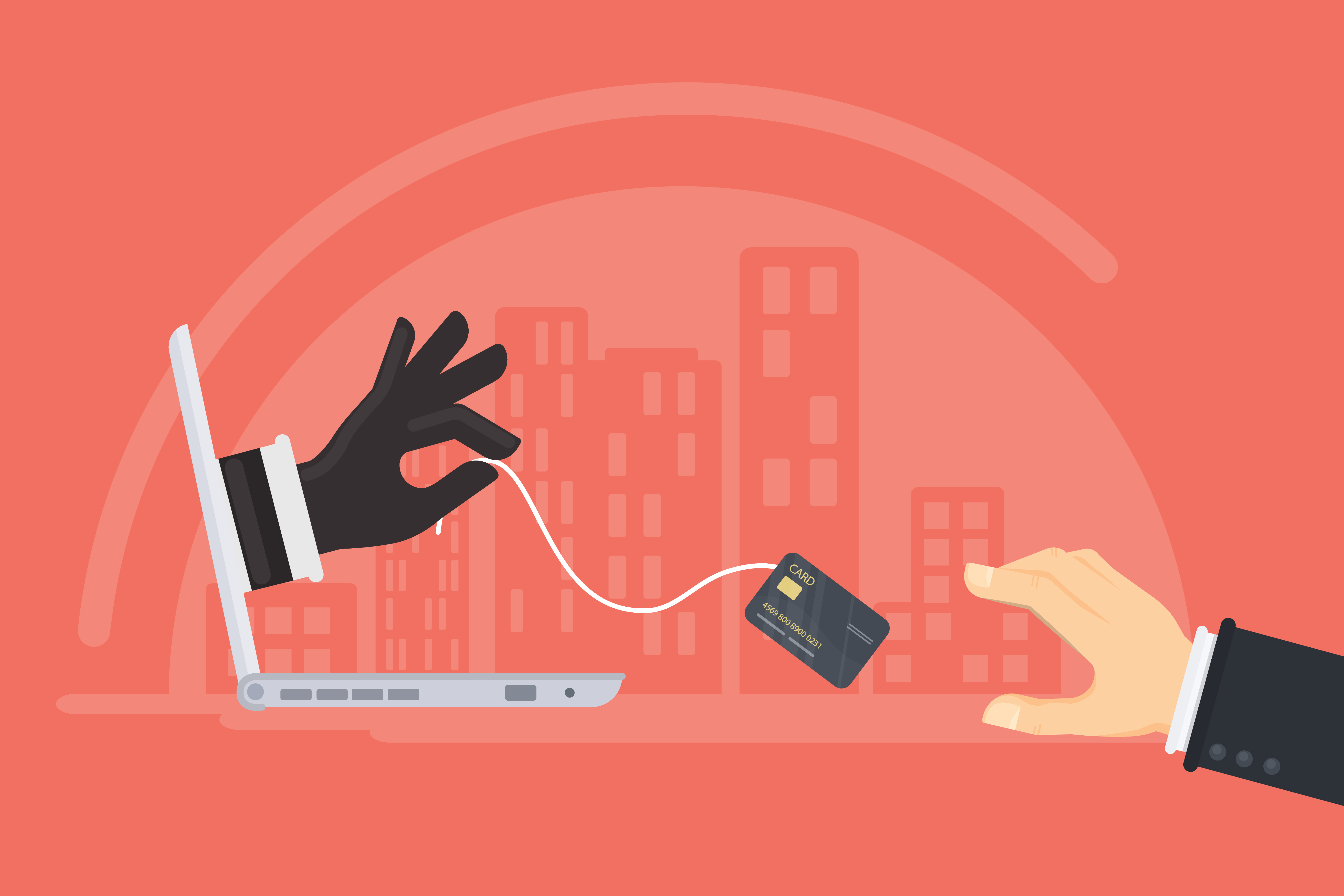
Online scams are out of control. Like millions of people, I recently received an anonymous email with information about me, including my name, address, telephone number, and most disturbingly, a picture of my house. The writer of the email goes on to say that they’ve hacked all the information on my phone and they have compromising videos of me they’ve recorded by taking control of the phone’s camera. They are going to release all of this sensitive information to my contacts unless I send them $2,000 in Bitcoin. They also threaten to come “back” to my house if I don’t comply.
The email is a bluff. The personal information it contained is widely available as a result of many past data breaches that have affected almost everyone in the U.S. The picture of my house was pulled from Google Maps. My phone and its camera were never hacked. The email was auto-generated from a template using those bits of public data, and it was designed to frighten the reader into compliance.
What makes this email more alarming than previous scams is how sophisticated it is. It’s well presented. The grammar is perfect. In fact, the artful language reflects a writer who is highly skilled at manipulating people by evoking fear. The writer is attuned to the feelings of others—but not in a good way.
The scammers are using the psychology of fear as a tool to direct our neurological processes. By fomenting fear, they hope to create a fight-or-flight response in the reader. When this happens, the brain’s activity is redirected away from the prefrontal cortex, which we use to think critically. If successful, the scammers have effectively pressed an "off" switch in our minds. Operating from the amygdala and other more primal centers of the brain, we act irrationally, based on emotion. Some people will send the money while others may react even more severely, possibly even engaging in self-harm.
If the scammers send this email to 100 million people and only one-tenth of 1 percent of them comply with the extortion demands, the scammers still stand to make hundreds of millions of dollars. And this numbers game is one reason why scams have become so pervasive. The FTC reports that in 2023, victims lost 10 billion dollars nationally.
This massive figure would not be possible if not for the negligence or even tacit complicity of large corporations that should be protecting us. Telecommunications companies do little to prevent “spoofed” calls that appear to consumers to be coming from legitimate institutions, such as banks or government agencies. In fact, companies that explicitly enable this tactic have operated with impunity for years, claiming hundreds of thousands of victims before being shut down. Companies including Facebook, Google, and PayPal are regularly criticized by fraud professionals for their woefully inadequate scam prevention. One wonders if it’s a coincidence that these companies, seemingly so powerless, are making many millions of dollars from these fraudulent transactions. Hopefully, with continued public advocacy, corporations and government agencies will be motivated to do more.
Until these scams are shut down, we must take it upon ourselves to counter these fear tactics. One of the best remedies is simply raising awareness and helping to spread information. The FTC has a helpful website for researching, reporting, and learning how to avoid scams. Social media influencers such as Jim Browning and Kitboga demonstrate to their millions of subscribers how these scams work and how we can protect ourselves and our loved ones. In fact, Kitboga has recently released a free scam protection application called Seraph Secure that blocks many common scam tactics from working on your computer.
We can also apply our knowledge of psychology to recognize a scam if we’re experiencing one. The FTC advises being suspicious if you’re contacted by anyone about a “problem” or a “prize.” In psychological terms, we could say that scammers offer a punishment or reward for compliance with their instructions. Another telltale sign of a scam according to the FTC is the “pressure to act immediately.” This goes back to evoking the fight-or-flight response and preventing the victim from thinking clearly. We can fight back with standard stress reduction techniques, including taking the time to relax, reflect, breathe, and consult with a loved one before taking any action.
Scammers know a lot about psychology, and they use this knowledge to turn our fears against us. But we can beat them by knowing more.
Reality Of Islam |
|

Keeping sil

Two experim

Changing a

Plants are
 9:3:43
2018-11-05
9:3:43
2018-11-05
10 benefits of Marriage in Islam
7:5:22
2019-04-08
benefits of reciting surat yunus, hud &
9:45:7
2018-12-24
advantages & disadvantages of divorce
11:35:12
2018-06-10
6:0:51
2018-10-16
1:16:44
2018-05-14
7:59:14
2018-06-21
10:35:40
2022-05-26
4:26:43
2022-02-21
1:38:41
2021-12-08
9:50:37
2023-02-28
2:2:13
2022-10-08
5:41:46
2023-03-18
| LATEST |
 HOME
HOME