الوضع الليلي


 4:16:32
  2019-09-09
  1556
1556
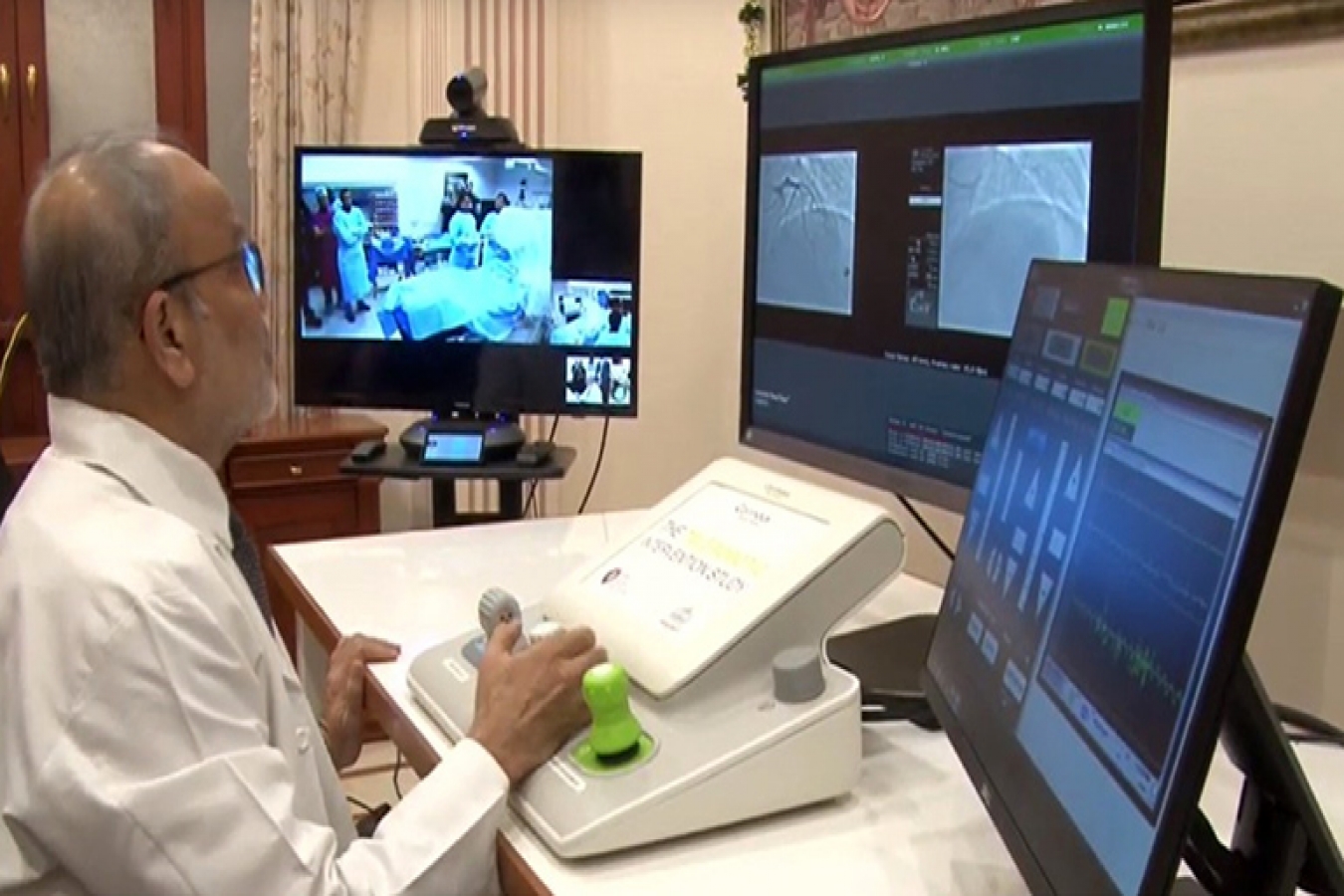
Clinicians in India have teamed up to demonstrate the feasibility of having a physician remotely perform percutaneous coronary intervention (PCI) procedures. Using the CorPath GRX, an FDA cleared cath lab robot that lets physicians stay away from the radiation produced by fluoroscopes, the team from the Apex Heart Institute in Ahmedabad positioned the control mechanism in a building 20 miles away from where the patients were to be treated.
They were then able to perform five separate procedures, including dilation with angioplasty balloons and positioning stents within the treated area. All of the procedures were completed successfully and no complications or adverse events occurred. It seems like everything went as though there was no significant procedural differences compared with the same treatments performed in proximity.
This capability may allow physicians to serve patients in remote regions while maintaining the freedom to remain closer to home.
Reality Of Islam |
|
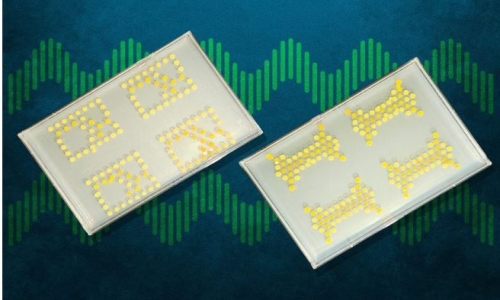
MIT researc
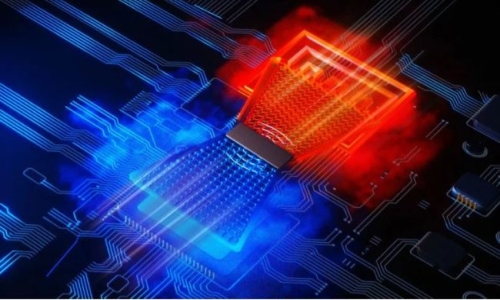
Researchers
Researchers

New phononi
 9:3:43
2018-11-05
9:3:43
2018-11-05
10 benefits of Marriage in Islam
7:5:22
2019-04-08
benefits of reciting surat yunus, hud &
9:45:7
2018-12-24
advantages & disadvantages of divorce
11:35:12
2018-06-10
6:0:51
2018-10-16
10:47:11
2022-11-22
10:55:53
2022-06-13
8:21:9
2018-06-21
8:30:23
2022-03-03
4:2:19
2022-10-10
7:0:55
2022-05-17
6:14:3
2023-01-18
5:41:46
2023-03-18
| LATEST |
 HOME
HOME